Mountainguiding, discoverwhybeingaccompanied by a professionalis essential for yoursafety, your progression and a trulyrelaxedexperience.
Heading into the mountains equipped: why being guided is essential
Being guided in the mountains has become a must for any serious outing at altitude. Freeriders and ski tourers will find in a guide a precious ally and a unique chance to really “learn” the mountain. Being accompanied by a professional allows you to move in safety while progressing alongside a mountain guide. It’s also one of the best ways to educate skiers and snowboarders about avalanche risk.
Gear is not enough: safety starts long before the avalanche
The avalanche transceiver trap
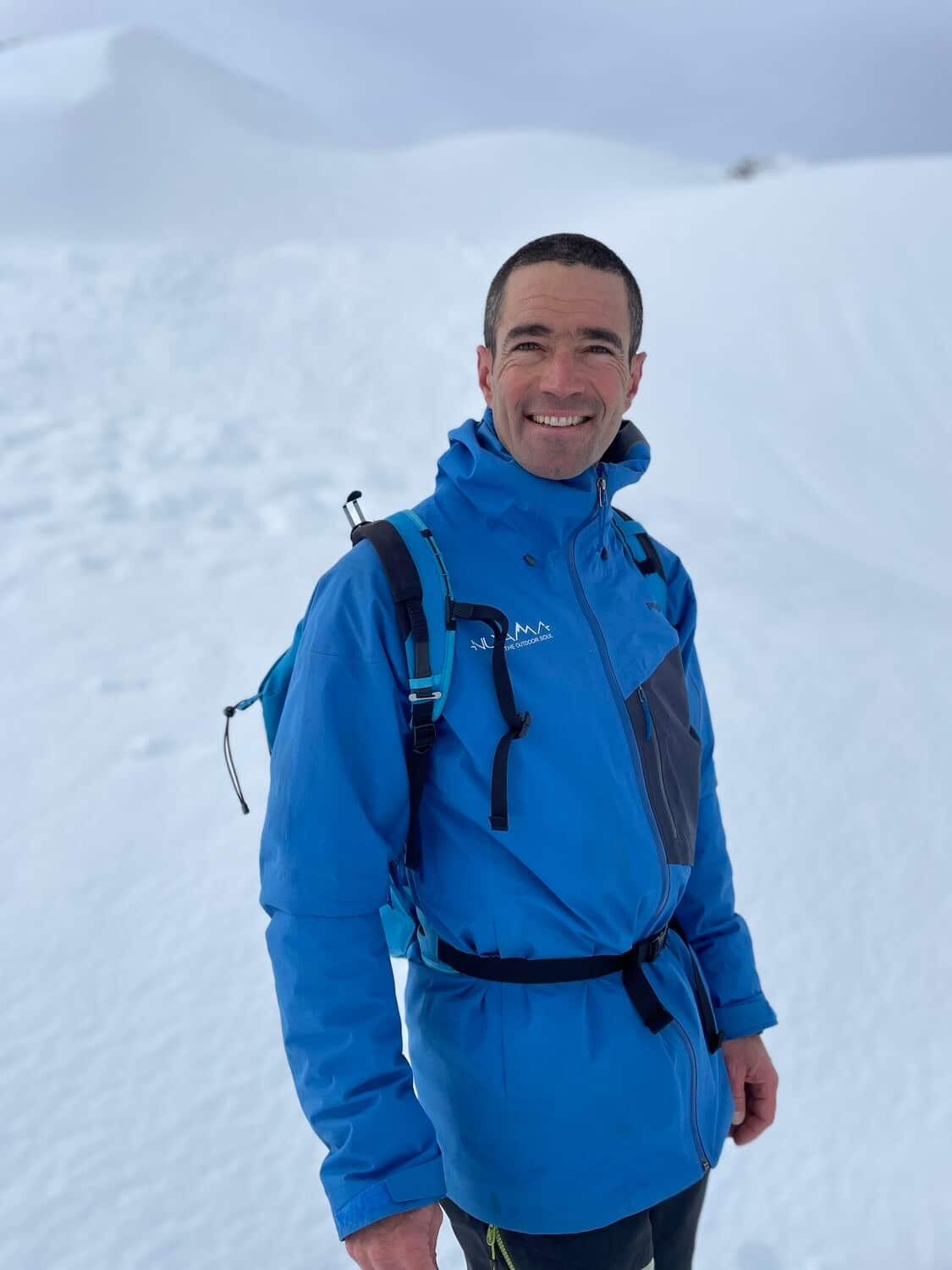
For some riders, an avalanche transceiver (beacon) can almost look like a prevention tool. As necessary as it is in the field, the beacon is first and foremost rescue equipment. Heading into the backcountry with a beacon, shovel and probe is therefore not enough. That’s the clear message from Yann Delevaux, a mountain guide, IFMGA, for 25 years. A former member of the Compagnie des Guides de Chamonix, he sounds the alarm: “It’s never been the gear that creates the right behaviour. People think that with the gear on, you’ve got a good chance of making it out if you’re caught in an avalanche. But if it does happen, there’s a pretty high chance it won’t end well,”explains the French guide. “The real issue is not getting caught in an avalanche in the first place.”
Riders need education
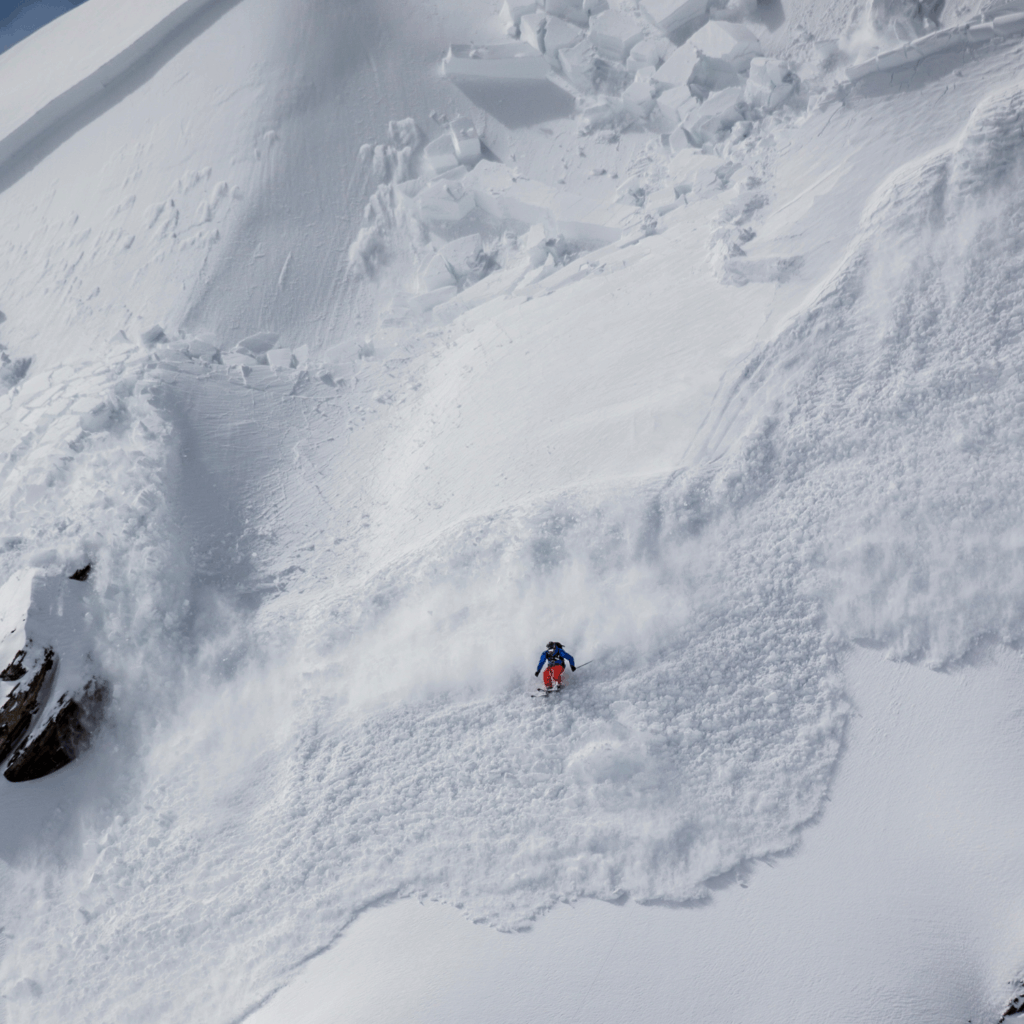
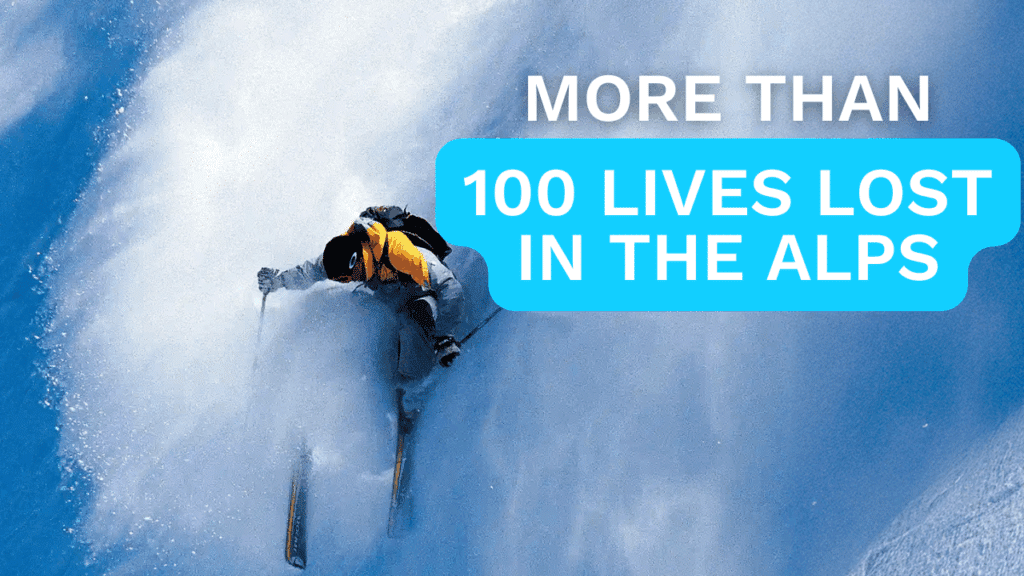
Avoiding being carried away by an avalanche has to be the top priority, and that starts with educating riders. We know that 90% of avalanches are triggered by the victim themselves or by someone else in their group, as WEMountain reminds people in its trainings. One avalanche victim out of two dies, around 200 people every year in the Alps and North America. So as an backcountry skier or ski tourer, nothing should be taken lightly. The human factor is central. Preparing your day in advance, reading the terrain, analysing the human factors and the snowpack, and making good group decisions.
Remember: the essential part happens before the avalanche. Being guided in the mountains by a mountain guide is one of the best ways to truly learn the mountain.
Yann Delevaux, a fulfilled guide “My greatest pride as a guide is having taken people to do things they wouldn’t even have dared dream of. They grew, they developed. I’ve spent time with people who now move in the mountains at a very high level.”
The benefits of being guided
The guide as a progression engine
When it comes to mountain guiding, professionals generally work with two main types of clients, as Yann Delevaux sums it up:
Riders who want to hire a guide to learn and move towards autonomy. “The idea here is educational, passing on knowledge so that the person can then make their own decisions and plan their own days out”, explains the Chamoniard.
Riders who don’t want to take decisions and who hand over that responsibility to the guide. “They’re less focused on learning. They’ll still need to do and understand a minimum, but the guide leads the day and they follow“, says the mountain guide.
An experience to live
Being guided in the mountains is the guarantee of a truly unforgettable experience.
The chosen guide will take the group onto new itineraries and teach riders how to read the mountain better. Participants will discover new sensations and be able to focus on the pure pleasure of the moment, made possible by their guide’s experience on the ground.
To describe his role, Yann uses a very telling comparison: “It’s like learning to drive. As a rider, you need someone to show you the way, to point out all the little traps to avoid if you don’t want to have an accident. You might know how to drive, but if someone gives you the best car and drops you straight into rush-hour traffic with zero experience… We all know how that ends, statistically”.
Being guided in the mountains is therefore a real accelerator for every powder lover.
Yann Delevaux’s view on WEMountain “The tool WEMountain has developed is fun, modern and dynamic, with regular updates to help people learn the basics. As a guide, I see it as a huge plus: people can already learn before the day out. Before, everything had to be done during the day with the guide. Thanks to this kind of training, we save a huge amount of time and we can be much more relevant. We can go straight to the essentials and to learning that’s directly connected to the terrain.”
The role of training and digital tools
Hitting the terrain with solid basics
Training with a professional changes the way you read the mountain, we’ve seen that. But it’s just as important to arrive on the terrain with solid foundations. Among the fundamentals to master is understanding risk scenarios. This refers to adverse weather conditions, unstable or changing snowpack, or exposed slopes. In other words, it’s about learning how a situation can evolve and knowing how to anticipate it.
Another key point: recognising human behaviours that increase risk. Yann Delevaux has a clear opinion on these human factors: “One of the big risk behaviours is making the decision first thing in the morning that you have to get the first track. Crowd pressure and performance pressure push people to want to be on the first cable car. The idea of an avalanche is completely blocked out. Avalanches don’t need to be huge, you can get seriously hurt in a slide that’s 10 metres wide and 20 metres long. Group dynamics play a major role and can push people into taking risks,” notes the French guide, who also instructs for WEMountain.
Mountain guides and digital tools: a real complement
The WEMountain method offers e-learning courses dedicated to mountain safety. This digital approach goes hand in hand with what mountain guides do on the ground, it doesn’t try to replace or compete with their expertise, but to reinforce it.
Doing the digital training before the outing frees up time for the guide and optimises their work. It allows them to pass on their know-how even more efficiently. “The content of WEMountain’s courses is really well suited to people who are asking themselves questions about avalanche risk and how to manage it,” appreciates Yann. “When you start out, you mainly ask yourself if you should go ski or not, if it’s dangerous or not. But no one can answer that for you, and even worse, there can be several valid answers (depending on level, skier profile, etc.). With WEMountain, we give skiers tools so they can build their own answer, and be able to justify it.”
Conclusion
Being guided by a professional is an essential first step for any serious mountain outing at altitude. That’s how you build real freedom without skipping stages. The mountain guide and digital training together strengthen riders’ knowledge and skills, the ideal process to grow your autonomy over time.