Becoming a pro freeride athleterequires optimal preparation, riskmastery, and training. Lolo Besse, headjudge at the FWT, shareshisinsights!
FWT: Becoming a Pro Freeride Athlete Is Possible!
Being a pro freeride athlete today means leaving nothing to chance. The demands of elite competition require Freeride World Tour champions to commit to meticulous preparation, physical, technical, and psychological. Skiers and snowboarders also need a solid grounding in prevention, safety, and risk management in the backcountry. These components have become fundamental essentials. WEMountain is the official trainer of the FWT. Freeride World Tour athletes benefit from WEMountain’s Backcountry courses. Our global program counts several thousand members and was designed by 50 international experts.
Becoming an International Freeride Athlete: Holistic Preparation
Pro freeride is more than talent
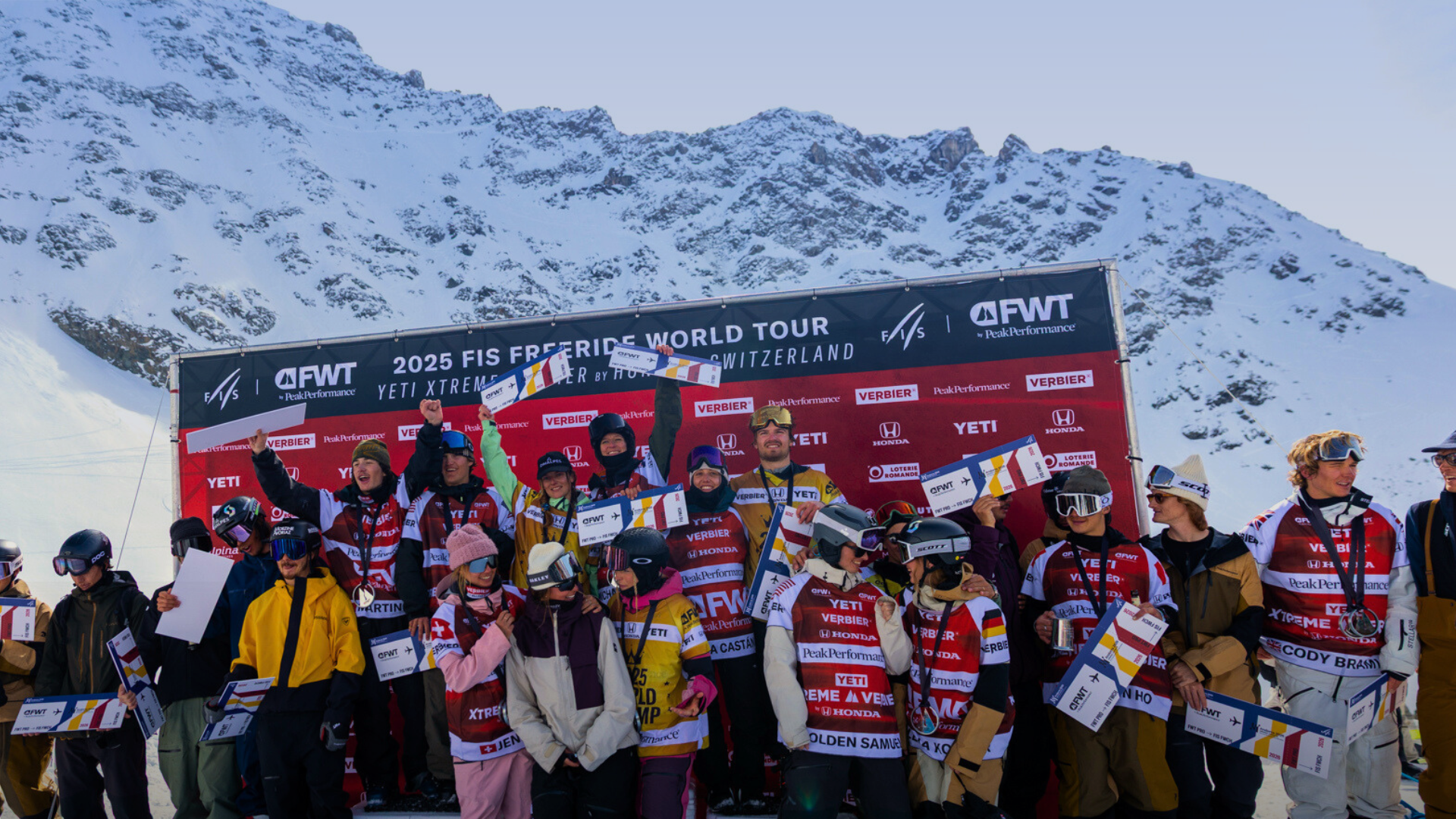
Dreaming of the international freeride circuit, the Freeride World Tour? Thinking of applying to the Freeride World Tour Junior or the Freeride World Tour Qualifier? Get an inside look at the circuit with Laurent “Lolo” Besse, head judge and technical director of the FWT. “Preparations used to vary wildly; now over 60% of Freeride World Tour athletes have a ski or snowboard coach. Coaches help in pre-season but more importantly during the season to analyze lines. They watch events live and can give recommendations to their athletes at any time, depending on what happens with other riders,” the French official tells us.
On the mental side, Lolo Besse has clear views: “Today, mental preparation in freeride is mainstream. It’s an integral part of the sport, and almost all champions have a mental coach. It’s now a baseline for athlete development. If riders want to reach the highest level, they must surround themselves this way.”
Preparation alone isn’t enough. A pro freeride athlete must be highly skilled at reading terrain and confident choosing lines.
Reading the mountain and picking your line
Performance on the Freeride World Tour isn’t decided only at the start gate. Champions study the chosen face in advance, analyze snow quality, and identify rock bands…
Lolo Besse stresses riders’ need for adaptability: “The ultra-important thing for a rider is to have multiple plans, because surprises happen. We remind riders to have plans A, B, C. They must adapt from the moment they see the first photo to when they reach the top and stand in the start gate.” Studying the mountain is crucial to select a line while assessing risks and scoring potential. On the FWT the line must be ambitious yet controlled, committed but within control. The pro freeride athlete also has to listen to how they feel that day to avoid unnecessary danger. It’s a delicate balance to master if you want to sit at the top of the rankings. Constraints are heightened by the fact that on the FWT riders can’t rehearse the face before the event. They rely on organizers’ images and data and on conditions on the day. That can spook athletes, especially during the Verbier FWT finale. “FWT legend Reine Barkered told me Verbier was the first stop where he saw riders vomiting with stress and fear at the start. There isn’t a single athlete at the summit who isn’t consumed by stress and fear”, says head judge Lolo Besse.
Experience is vital in freeride; learning drives progress. Over time some riders can develop a false sense of overall mastery, a surplus of confidence that can have serious consequences
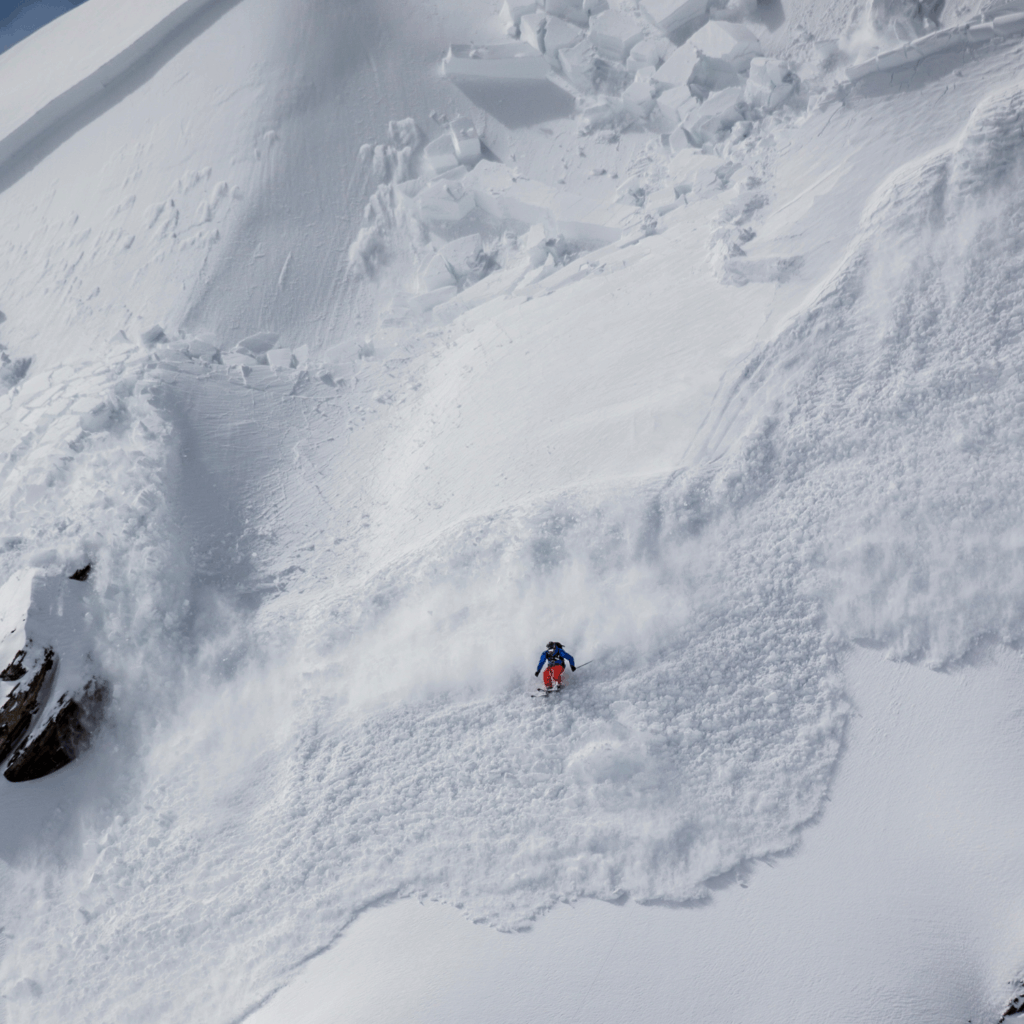
“There’s no zero risk, especially since athletes live in the mountain. Off competition, pros already ask themselves if conditions are good or bad and whether they’re mentally ready to ride. On the FWT, we aim to eliminate as many risks as possible, particularly avalanche hazards. We remind athletes that when they choose a line, they must be aware hazards may remain (sluffs, snow releases…). When athletes film, sometimes the snowpack isn’t stable and there’s avalanche danger. That’s why it’s even more important to take WEMountain courses, which help make the right decisions”, Lolo Besse argues.
A freeride training program provides durable knowledge and skills tailored to the pro level.
WEMountain: training the Freeride World Tour athletes
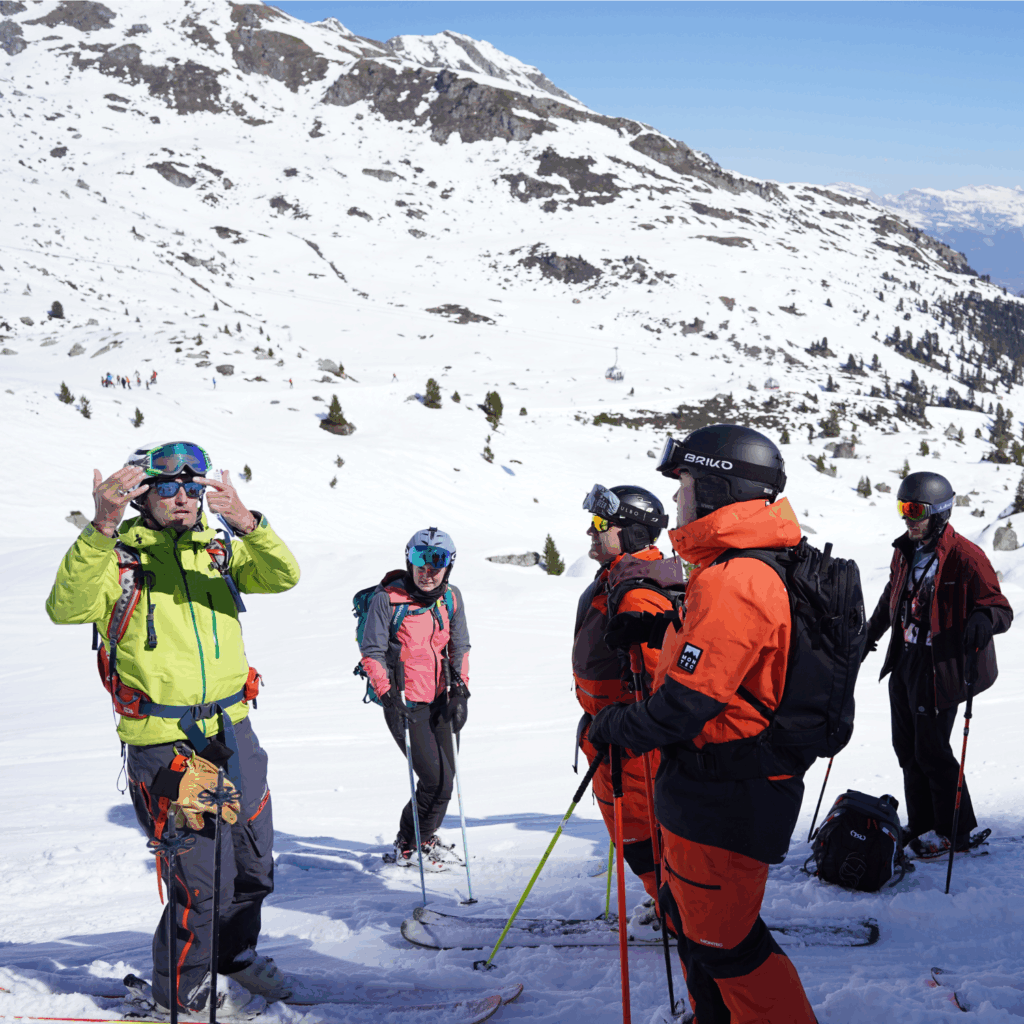
Co-founded by freeride legend Dominique Perret, WEMountain partners with the Freeride World Tour to support circuit athletes. “There are big differences between riders in mountain knowledge. It can come down to age, some are experienced and in their thirties, others are new to the sport at 20. Despite strong technical skills, they don’t always have the required mountain knowledge. That’s why we made the on line WEMountain course (the backcountry course) mandatory for riders and all staff. It teaches how to avoid accidents, which is priority number one. On top of that, every athlete must attend a practical course two days before the first competition with former FWT world champion Nadine Wallner. She runs an intensive training program. This gives everyone a very solid foundation”, explains Lolo Besse.
This prepares every pro freeride athlete as best as possible for competitions on the Freeride World Tour. WEMountain training has had clear positive impacts on FWT riders. Head judge Lolo Besse explains: “There’s been a global awareness among Freeride World Tour athletes. They now post about avalanche dangers and how to avoid them. You can feel they have the knowledge. Today there are more hazards than before. There’s a ‘powder rush’ – riders want to ski the day of. I appreciate the FWT athletes’ communication; they’re aware of dangers and share them. Having a transceiver, an airbag, a shovel and a probe isn’t enough to avoid an accident. To avoid accidents, it’s essential to take WEMountain training because it gives us the keys to skiing with maximum safety.” It optimizes decision-making and risk management in freeride.
Conclusion
Freeride is becoming more accessible, driven by stunning imagery and the pull of fresh powder. Being a pro freeride athlete on the FWT means pushing limits and frequently flirting with risk. Riders therefore need deep mountain knowledge to avoid crashes. Thankfully, FWT competitors can rely on the partnership with WEMountain. Education and prevention go hand in hand with FWT athlete performance. WEMountain’s training, online courses and terrain sessions, helps raise rider safety. For more freedom and more fun…