Ski Touring and Avalanche Bulletins: A Smart Habit?

Web SEO Writer
Avalanche Bulletin: an essential tool for ski touring and freeride… provided it is used correctly. Discover our guide to avalanche bulletins.
The Avalanche Bulletin: How to Use It Properly for Safer Skiing
The avalanche bulletin is an ally for your safety in ski touring and freeriding. However, it can be misunderstood or misinterpreted. Designed to assess avalanche risk at the scale of a mountain range or an entire region, the bulletin is only complementary information that must be integrated into a broader risk analysis. Knowing how to interpret the avalanche bulletin, properly assess risk, and avoid relying on the bulletin alone is now essential. This is how you can move responsibly in winter mountain environments.
What Is an Avalanche Bulletin?
The Origins of the Avalanche Bulletin
The avalanche bulletin has been available internationally for several decades. Created in Switzerland in 1945, it was introduced in France in 1970 following a deadly avalanche in Val d’Isère. It is known in France as the BERA (Bulletin d’Estimation du Risque d’Avalanche).
The bulletin notably describes snowpack conditions and the level of avalanche danger.
In Europe, a European avalanche danger scale was adopted by all Alpine countries in 1993, marking the birth of the modern avalanche bulletin.
The avalanche bulletin follows a consistent structure. It refers to a well-defined danger scale and provides additional complementary information. It is updated once a day in France and twice a day in Switzerland. Clear strengths worth highlighting.
Originally designed for public authorities and infrastructure managers, the ambition of the avalanche bulletin is now to inform everyone, including mountain users and recreational skiers.
The Avalanche Bulletin: A Tool with Clear Limitations
The avalanche bulletin is useful, as confirmed by Robert Bolognesi, snow scientist and Director of the Meteorisk consulting firm.
“The avalanche bulletin is a tool that helps with the very first decision—namely, deciding whether to go out or not. But people misuse it because they think the bulletin will help them choose their route or decide whether they should ski a particular slope. In reality, the bulletin is not precise enough at that level and does not provide such information. However, it is useful for making a decision the day before, at home,” the scientist explains.
The avalanche bulletin is therefore a decision-support tool, but one that requires skills to be used properly. This implies a minimum level of field experience. The bulletin must also be complemented by a genuine risk analysis. This is how, as ski touring or freeride enthusiasts, you can enjoy the mountains and ride safely.
The Avalanche Danger Rating: A Reference… but Not a Guarantee
The Avalanche Danger Scale: From 1 to 5
In an avalanche bulletin, the danger scale is divided into several danger levels:
- Danger level 1 : Low risk (well-stabilized snowpack)
- Danger level 2 : Moderate risk (moderately stabilized snowpack on some slopes)
- Danger level 3 : Considerable risk (moderately to weakly stabilized snowpack on many sufficiently* steep slopes)
(*Term used in France; Switzerland has chosen not to use this wording.) - Danger level 4 : High risk (weakly stabilized snowpack on most sufficiently* steep slopes)
(*Term used in France; Switzerland has chosen not to use this wording.) - Danger level 5 : Very high risk (widespread snowpack instability)
You can find here an example of the danger scale used in France.
Example of the danger scale used in Switzerland.
However, these danger levels should never be seen as an absolute guarantee for ski touring enthusiasts, freeriders, or other mountain users especially danger level 3.
Note that “danger level” is the term used in Switzerland, while in France the expression “risk level” is commonly used.

Why Danger Level 3 Is Often Underestimated
Roberto Bolognesi sounds the alarm: “Many people are caught in avalanches and die at danger level 2. Meanwhile, some interpret level 3 as an average, not very dangerous level, and think they can go skiing. They are completely wrong and should read the definition of level 3 to understand that it is dangerous for skiers. In reality, level 3 corresponds to a ‘considerable’ danger. The middle of the scale would actually be closer to level 2.”
The Swiss snow scientist continues: “At danger level 3, it is common for skiers to be caught in avalanches after relying on the bulletin. Level 3 covers many very different situations. Sometimes there are few avalanches, but they can be quite large typical of spring avalanches that become unstable later in the day, especially on steep south-facing slopes.
Level 3 can also describe situations where there are many avalanches everywhere, but none of them very large. In the first case, it’s not very dangerous for skiers; in the second, it definitely is. Skiers without much experience often can’t tell the difference and may put themselves in danger.”
Bolognesi also warns practitioners about danger level 4: “At level 4, it is possible to go out and ski off-piste. But for a beginner, the risk is huge. Beginners should set a rule for themselves not to go out on level 4 days and instead gain experience on level 2 days. Possibly level 3 when accompanied. After 200, 300, or even 500 outings, a skier will have gained enough experience to start considering going out at level 4.”

Dominique Perret’s Analysis, Co-Founder of WEMountain
A pioneer of freeride skiing, Dominique Perret shares his perspective on avalanche bulletins and danger ratings in a column for Outside magazine.
“Throughout my career, I have to admit I was never a big fan of avalanche bulletins, not because they are useless, but because we assign them a role they often cannot fulfill. The bulletin is neither a green light nor a red light. It is not permission to ride. It is information an average originally designed to protect our roads, villages, trains, and infrastructure, and only later, imperfectly adapted to skiers. We read level ‘2’ or ‘3’ like we read the weather forecast. Yet between a 2–, a 3+, or a 4–, the danger doesn’t increase gradually, it explodes. And within the same level say level 3, you can have pockets that resemble level 4 and others closer to level 2… delayed traps.”
Avalanche Bulletins and False Sense of Security
The Bulletin, A Complementary Source of Information
Caution is the foundation of safety in the mountains. Knowing how to properly interpret the avalanche bulletin is crucial, but it should never be the sole tool for risk assessment. As Dominique Perret repeatedly emphasizes, for ski touring or freeride enthusiasts, the avalanche bulletin should serve as complementary information not the single factor used to validate a ski outing or make decisions. Considering a favorable avalanche bulletin as a guarantee means taking a decision-making shortcut and overlooking the fact that weather forecasts are never 100% reliable. Moreover, the bulletin applies to an entire region rather than a specific route, and it displays an average danger level for the area concerned. These uncertainties can also affect professionals. “When the bulletin is optimistic, clients may want to ski while the guide does not. The guide then has a very hard time explaining that, based on their local assessment, conditions are more dangerous than what the bulletin suggests and that it would be better not to go,” explains Robert Bolognesi.

The Avalanche Bulletin: A Tool That Is Not Sufficient on Its Own
The avalanche bulletin is a decision-support tool that is frequently misinterpreted. It must be complemented by other resources and approaches. Robert Bolognesi strongly encourages practitioners to seek proper training: “I believe that people who practice off-piste skiing absolutely need solid training. Once they are trained, they begin to put things into perspective. The bulletin then becomes far more valuable for those who know how to interpret it and who have a strong mountain culture.”
Conclusion: The Bulletin Informs, Training Saves Lives
The avalanche bulletin informs. The final decision remains a human one.
In ski touring or freeriding, your safety depends on how you interpret risk, observe the terrain, and make decisions. The bulletin is a valuable ally never an insurance policy.
WEMountain, a major player in mountain safety, offers both e-learning courses and field-based training. The goal is to learn how to manage and prevent risk, through a method centered on real terrain observation—focusing on what lies beneath your skis and within the slope.
Having contributed to the development of WEMountain’s training program, Robert Bolognesi summarizes its strengths:
“The training addresses avalanche prevention not only from the perspective of snow and topography. It also covers equipment, physical and mental preparation, and technique. WEMountain’s philosophy is that everything must be done to avoid avalanches—and I fully support that approach.”
It is worth remembering that around 200 people die each year in avalanches in the Alps and North America. On January 10 and 11, 2026, six off-piste skiers lost their lives in the French Alps. Meanwhile, the number of freeriders and ski tourers continues to increase every year.

Discover More Articles About Mountains
Avalanche Risk in the Mountains: Specific Terrains
Podcast Ep.2 : Why gear alone isn’t enough: training before rescuing in the mountains
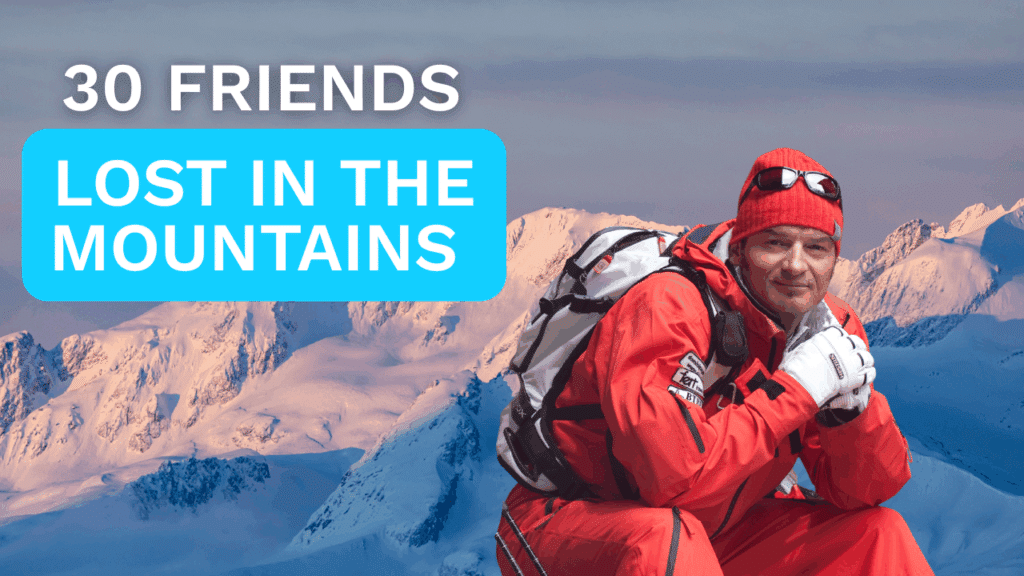
Podcast Ep.1 : 28 seasons of freeriding, 30 friends lost

Avalanche Transceiver Search, a Critical Moment in Rescue Operations
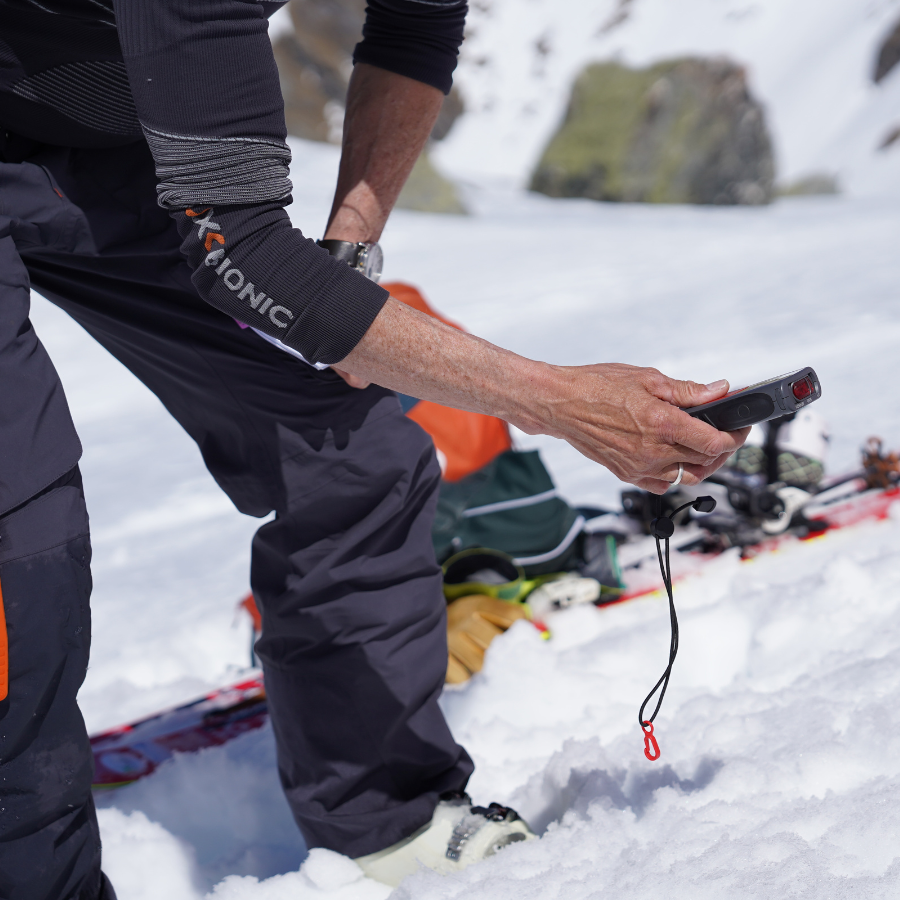
Choosing Your Avalanche Transceiver: The Ultimate Guide to Proper Mountain Gear